Our team at Surgical Associates of North Texas strives to offer excellent service to everyone who entrusts us with their care. Under the leadership of Scott A. deVilleneuve, MD, we’ve earned a reputation for delivering outstanding surgical solutions to patients from McKinney, Texas, and beyond.
One of our areas of focus is treating pilonidal cysts, an especially painful skin condition that is more common than you might imagine. If you or a loved one struggles with recurring pilonidal cysts, we offer treatments that can eliminate these painful cysts for good.
Here’s what you need to know about pilonidal cysts and when to seek treatment.
Anyone can develop pilonidal cysts
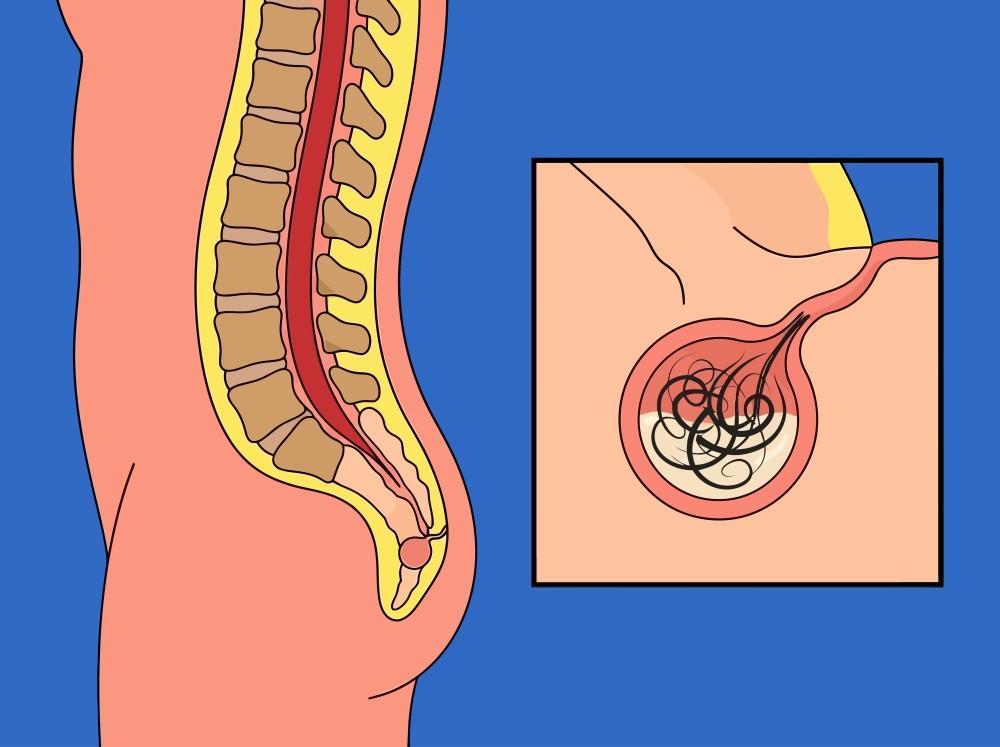
A pilonidal cyst is a rounded sac of tissue that develops at the base of the tailbone, usually right at the top of the crease of the buttocks. An infection can easily develop in this tissue, bringing on significant pain.
Researchers don’t know the exact cause of pilonidal cysts, but it’s clear that some people have a higher risk than others. Here are some of the factors that can increase your risk of developing one or more pilonidal cysts:
- Sitting for much of the day
- Wearing tight clothing
- Being overweight or obese
- Being between puberty and age 40
Men have a much higher risk for pilonidal cysts than women and are 3-4 times more likely to encounter this skin condition at least once during their life. But anyone can develop a pilonidal cyst, including children.
Why do pilonidal cysts recur?
For many people, a pilonidal cyst is an acute condition, meaning it happens only once. But some people develop multiple pilonidal cysts over the years. Not only can this be painful, but there are potential complications that can arise from a pilonidal cyst.
Infection is one example. This is usually what causes the cysts to hurt, as the infection will lead to an abscess formation. The abscess will then cause tissue distension, which you body senses as pain.
Along with the infection, it is common for them to form tracts between the abscess cavity and the skin surface. These tracts are called sinuses, which have a tendency to drain purulent and/or bloody discharge. This perpetual drainage is often as disabling for people as the pain, as it makes wearing work clothes almost impossible.
There’s no clear answer as to why some people develop recurring pilonidal cysts. There may be a genetic component, or the problem could lie in an individual’s specific anatomy.
If you’ve had one pilonidal cyst, here are some steps you can take to prevent another cyst from developing:
- Carefully washing the area daily
- Losing weight if you are overweight or obese
- Altering your routines to avoid sitting for long periods of time
You can’t prevent all pilonidal cysts, but these steps could reduce the number of cysts you experience.
Don’t wait to get treatment for pilonidal cysts
Unless you develop a single pilonidal cyst that clears up relatively quickly and isn’t painful, you should reach out to a medical professional for treatment. There are several ways to address a pilonidal cyst.
In some cases, a simple drainage procedure is all you need. Dr. deVilleneuve creates a small incision in the cyst to let the trapped fluid drain. He removes any hair trapped within the cyst at the same time.
If draining the cyst leaves a large wound in the skin, Dr. deVilleneuve can pack it with gauze to absorb any additional fluid and protect your tissues while the healing process moves forward.
You will need to have the gauze changed frequently to keep the wound clean. In some cases, we can draw the edges of the wound together and suture them, which eliminates the need for gauze.
Surgical cyst removal can eliminate pilonidal cysts for good, but it’s also possible that a cyst can return even after surgery. Pay close attention to the area and come in for a skin check if you suspect a new cyst is forming.
To book a visit at Surgical Associates of North Texas in McKinney, Texas, we encourage you to give us a call. Online booking is also an option and is available around the clock.